


DROP 01LIVE NOW
303
3031981 the bassline
The acid bass synth. Used units sold for about $50. Chicago producers made it a house tool.
ed. 303LENS
VIEW

COLLECT 1 OF 303 EDITIONS
Collect your VR 303 on Lens. Each edition costs 1 GHO. Supply stays fixed at 303.
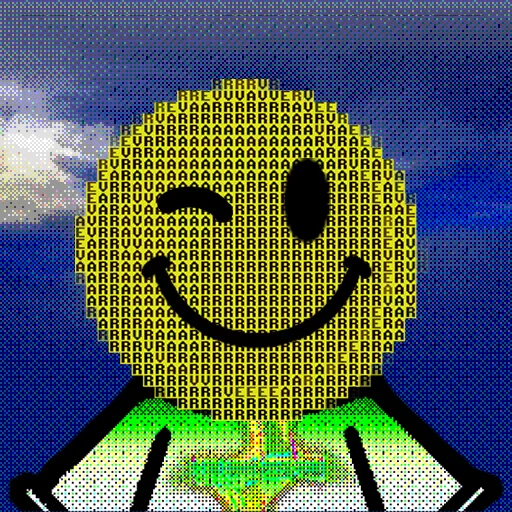


VR 303 artwork is dedicated to the public domain. RPS-01 sits on top of that and explains how the network uses it. You can use the art for personal, public, and commercial work. You do not need permission.
Every VR 303 collected so far. Each tile is one edition, one collector.
CC0 keeps the art public domain. RPS-01 is our public standard for how the network uses it.
One image can support many uses. Pick a path, then ship it.

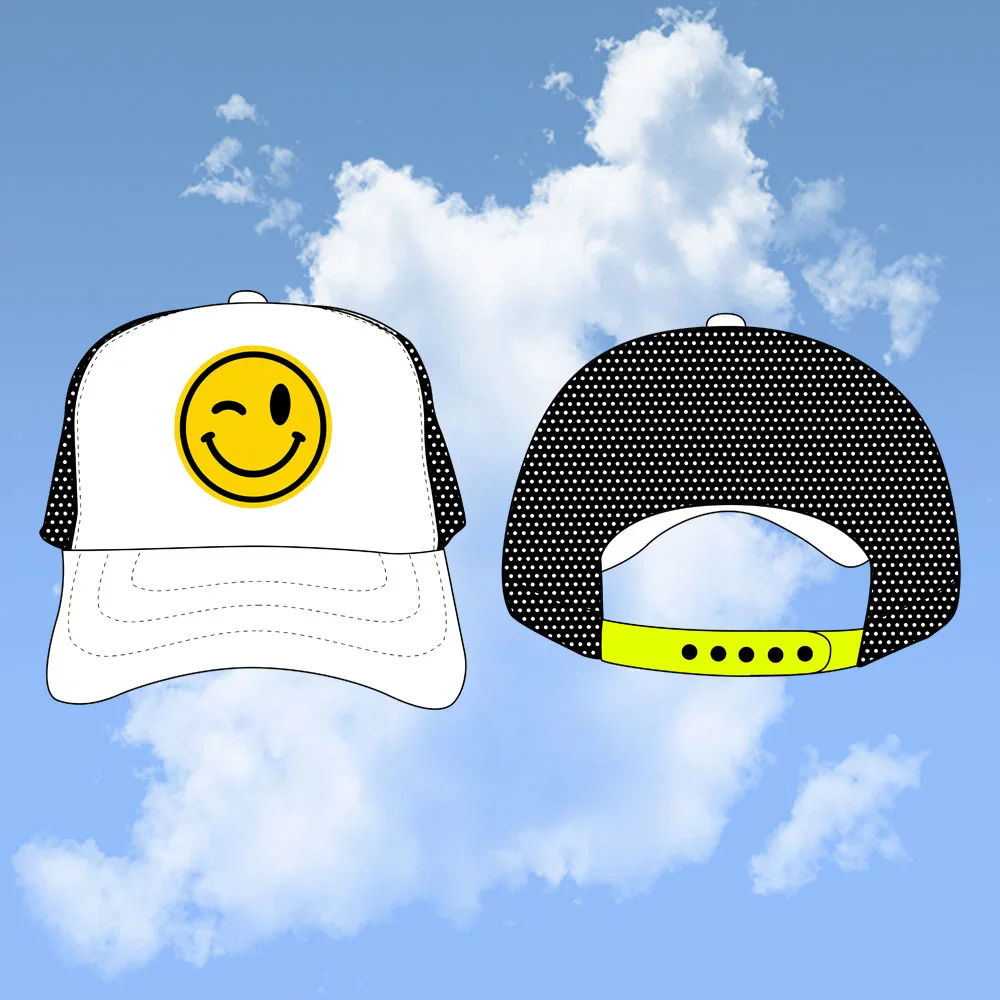
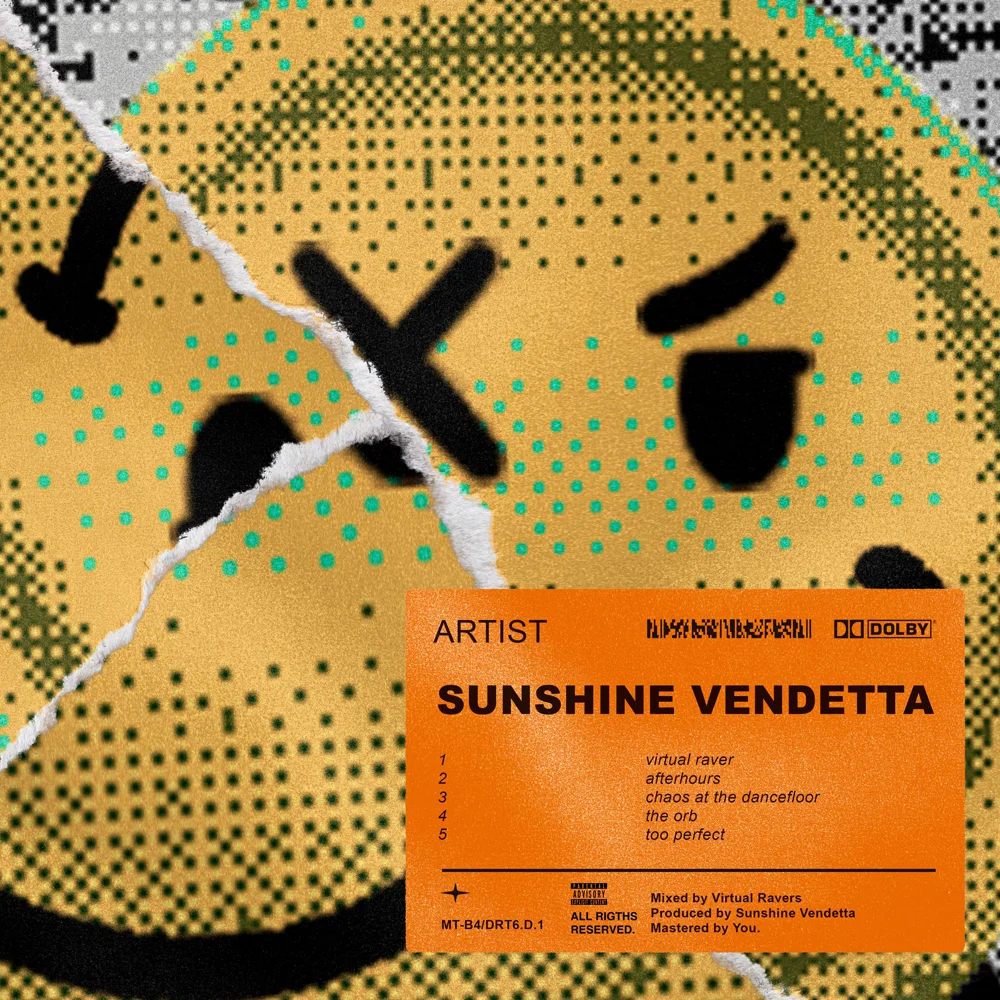
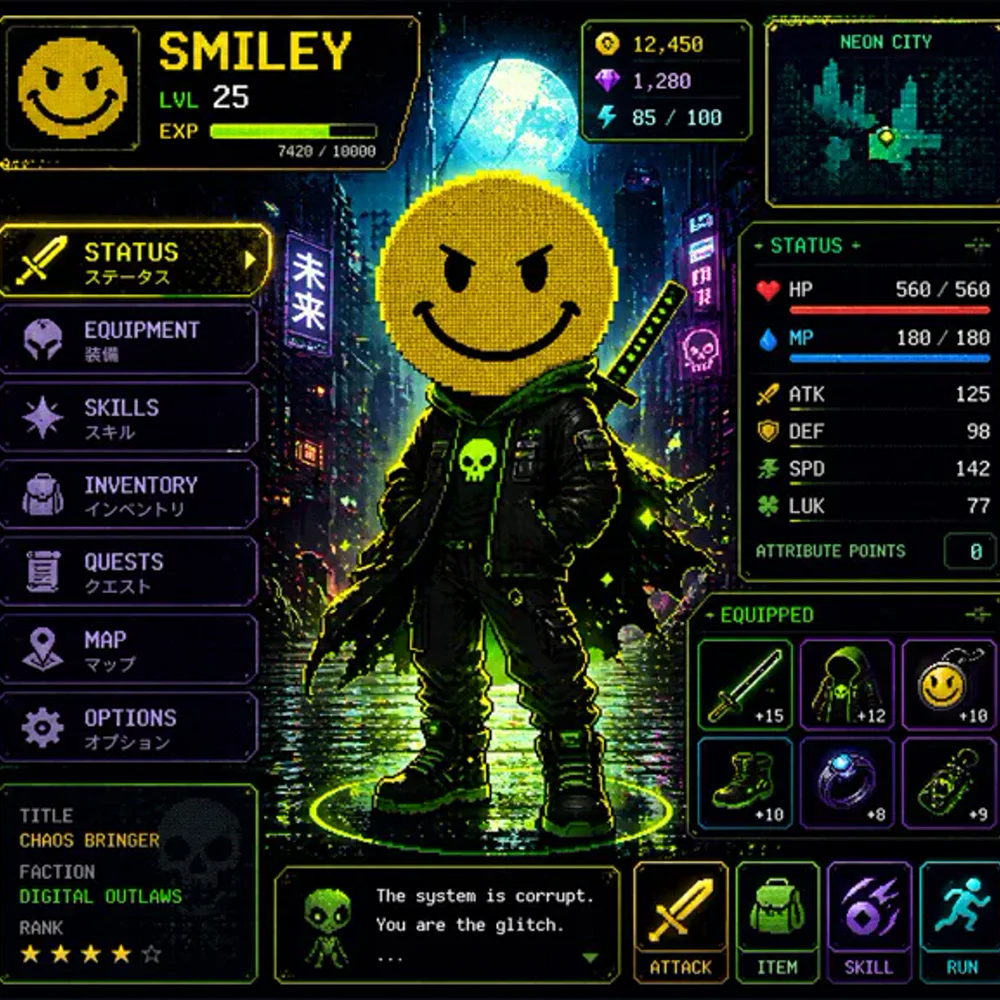
RPS-01 names how the network uses CC0. The art stays free. The standard explains signals, nodes, and archive rules.
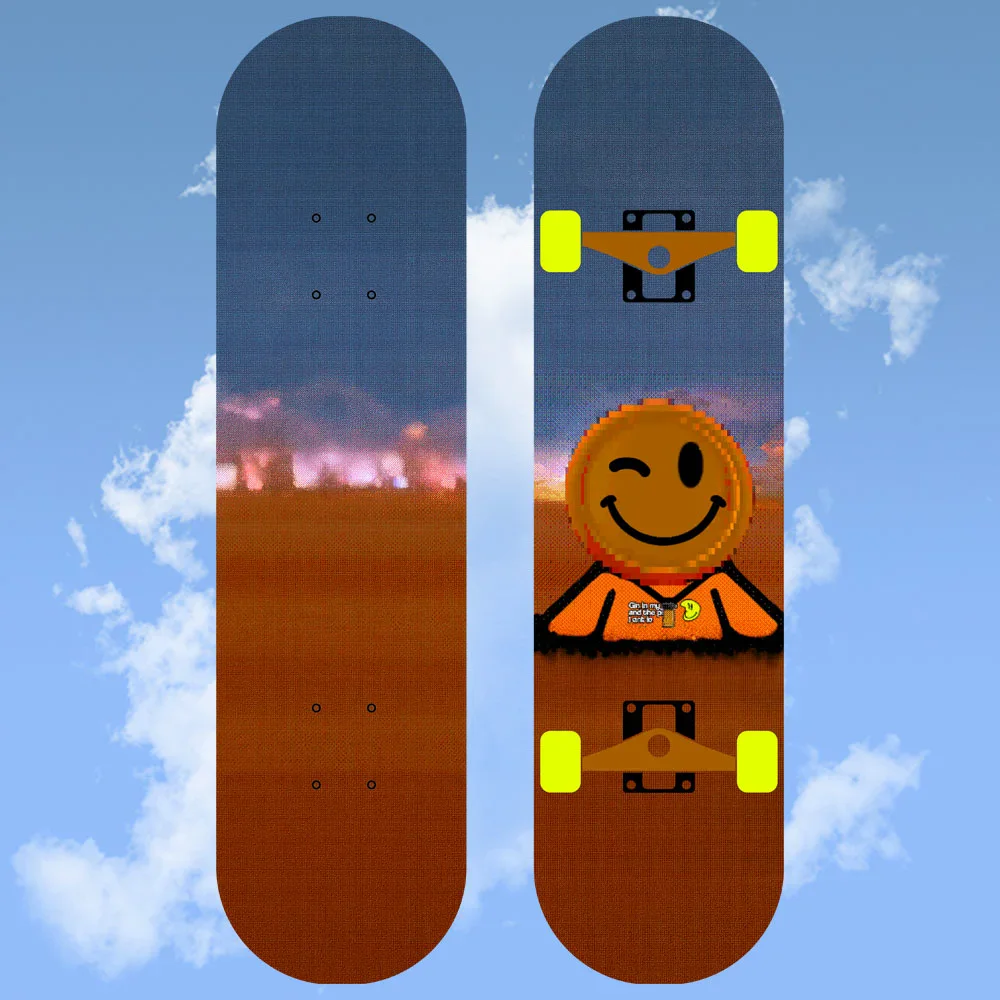
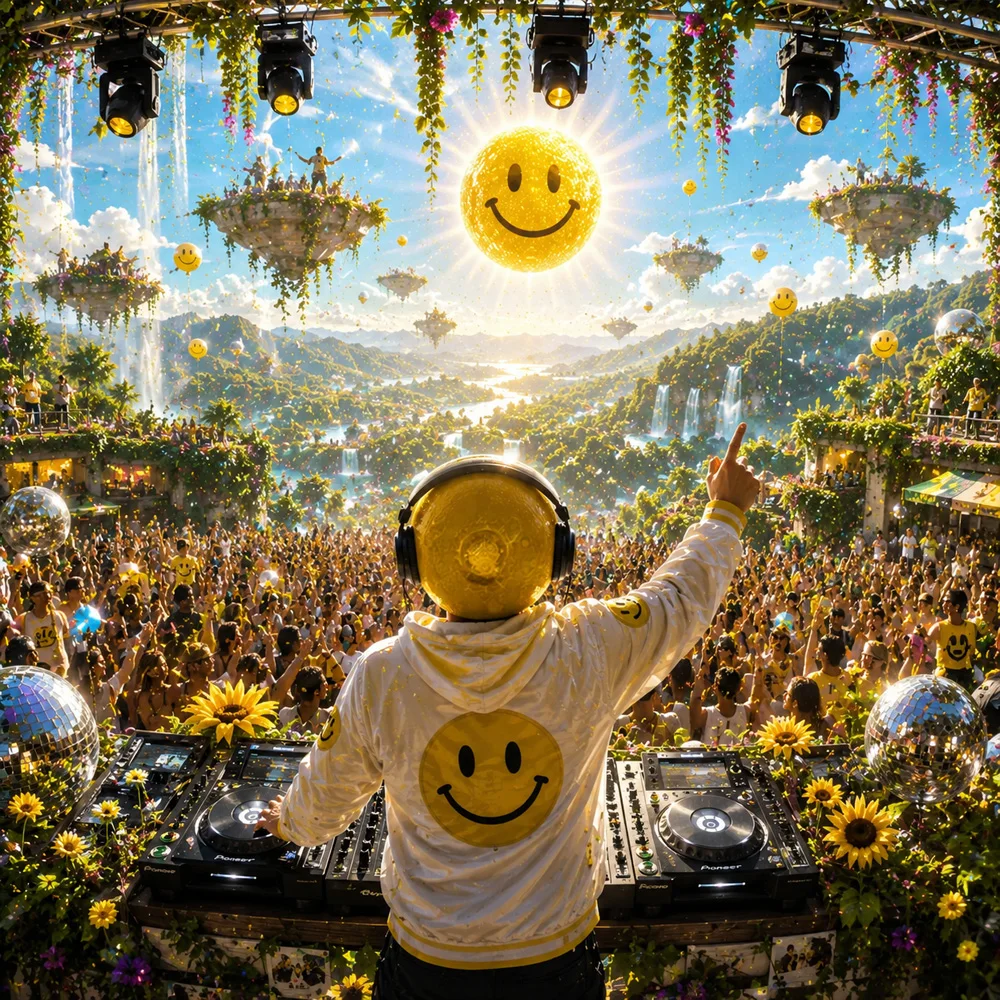
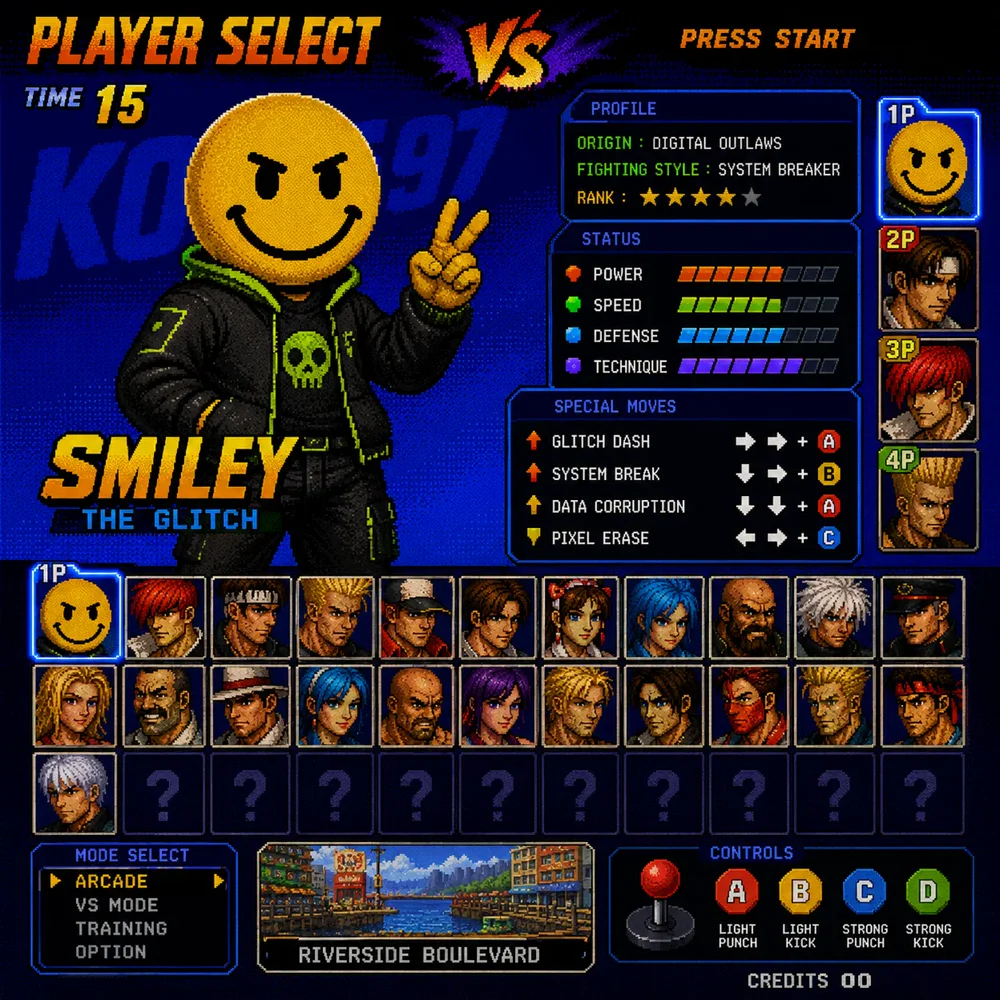
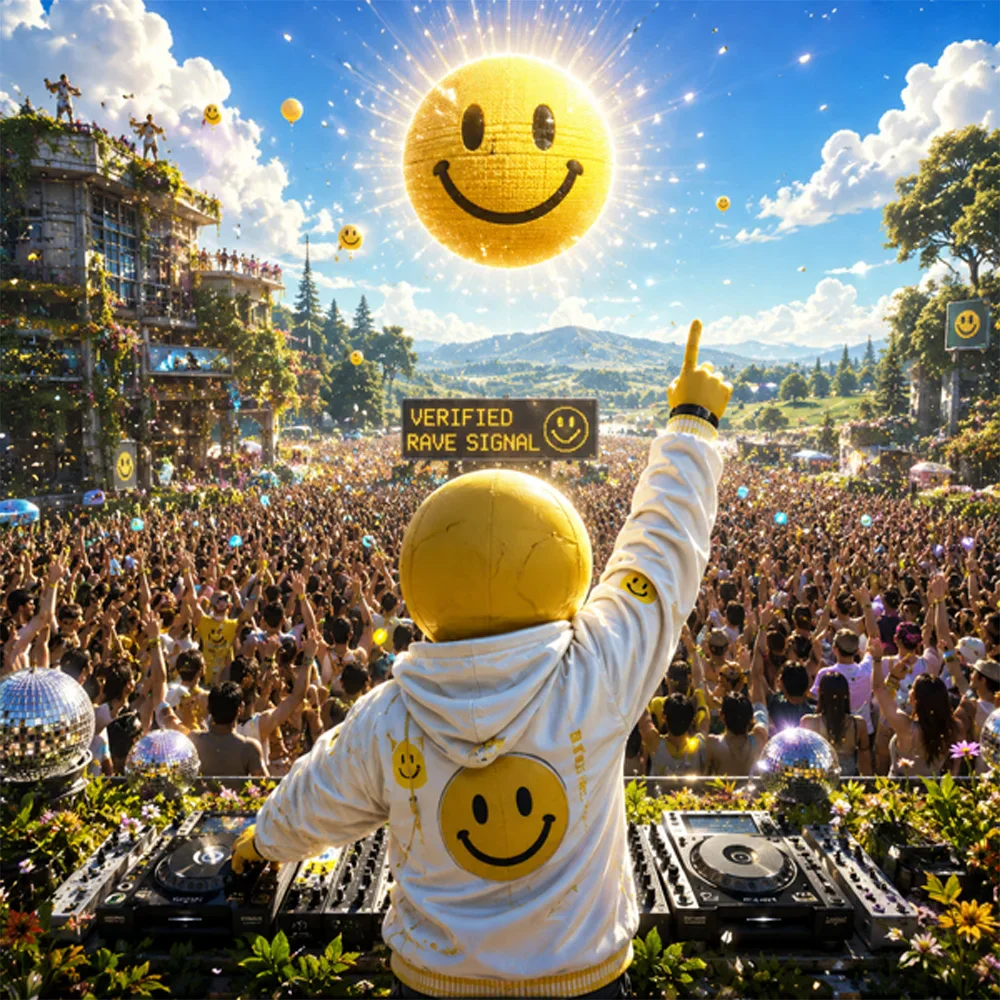
CC0 removes permission checks. Teams and communities can build on the same work without extra approval.
Use 16 steps, 13 notes, accent, slide, and four filter controls. Press RUN, tune the pattern, then export a MIDI file.
Play 14 live sets that we love, from 1989 to 2026. Each one is a unique moment in rave history, captured in all its raw, unpolished glory. Press play, then tune in and zone out.
the space split itself into chain tribes.
one community fights another over platforms, metrics, and things nobody cares outside the bubble.
we do not care about that.
we care about music, culture, live events, archives, and real people gathering together.
we are multi chain, multi world, multi culture.
Every drop is coded onto a machine that built this movement — the boxes Chicago, Detroit and Berlin found in pawn shops, and turned into the blueprint for acid, house and techno. 303 · 909 · 808 · 707 · 606 · 505 · 1000
The acid bass synth. Used units sold for about $50. Chicago producers made it a house tool.
The techno kick. Detroit used it. Berlin used it. It still hits hard.
The sub boom. You know it from Miami bass, hip-hop, and car systems.
The early house drum box. It is direct, bright, and easy to program.
The small analog box. It runs on batteries and fits in a bag.
The budget rhythm box. You could learn drums on it without a studio budget.
The future slot. No fixed supply. No fixed date.
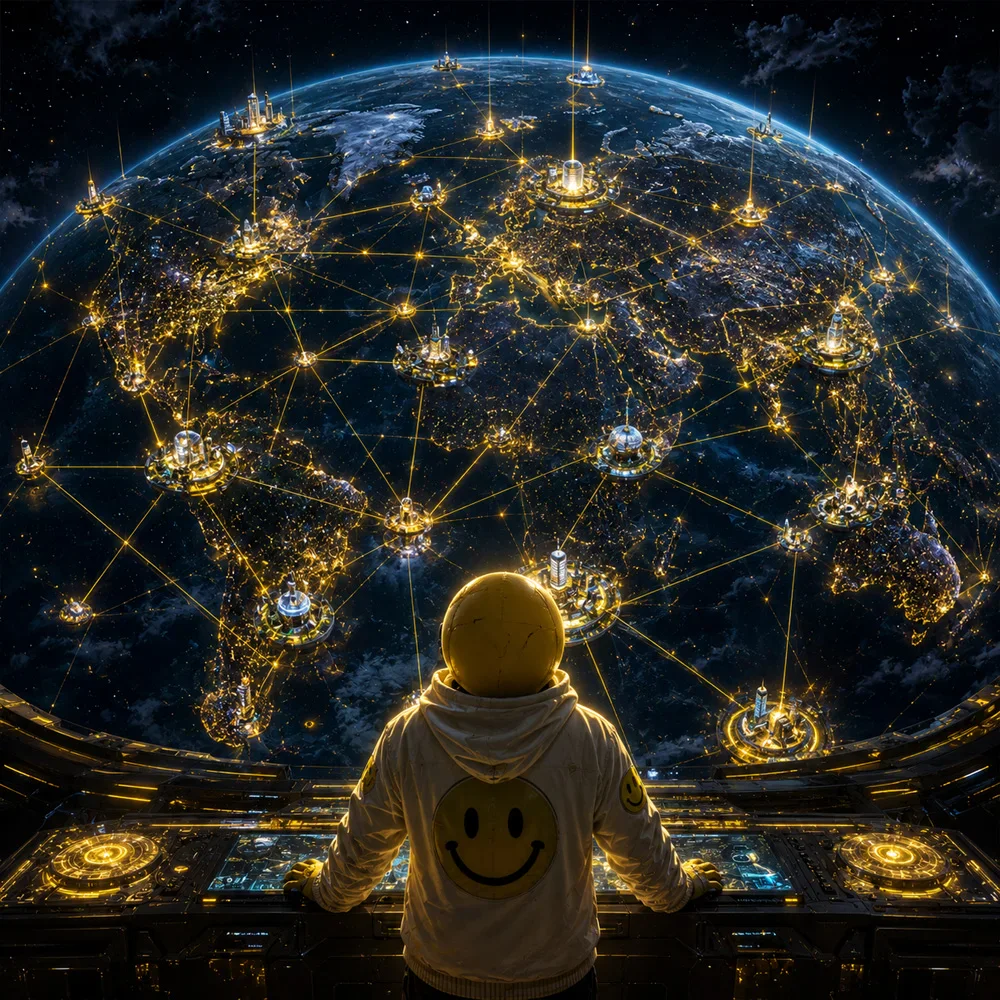
A global network of independent rave scenes connected through archives, livestreams, and synchronized nightlife culture.
The Decentralized Rave Federation connects independent rave scenes into a shared global network.
Rave culture should stay open, local, independent, and globally connected.
The federation does not own local scenes.
The federation exists to support, archive, and connect scenes worldwide.
somewhere on earth, it is always 4am. local clocks, federation signal, one continuous broadcast.
thirteen rules. tap a card to open the file. these are not proposals this is how the federation operates.
one card. one city. one of many possible federation events. your VR 303 gets you on the list six cities, 303 spots each.
We do not run a Discord. We do not run a Telegram. We build infrastructure for scenes, not chatter for hype.
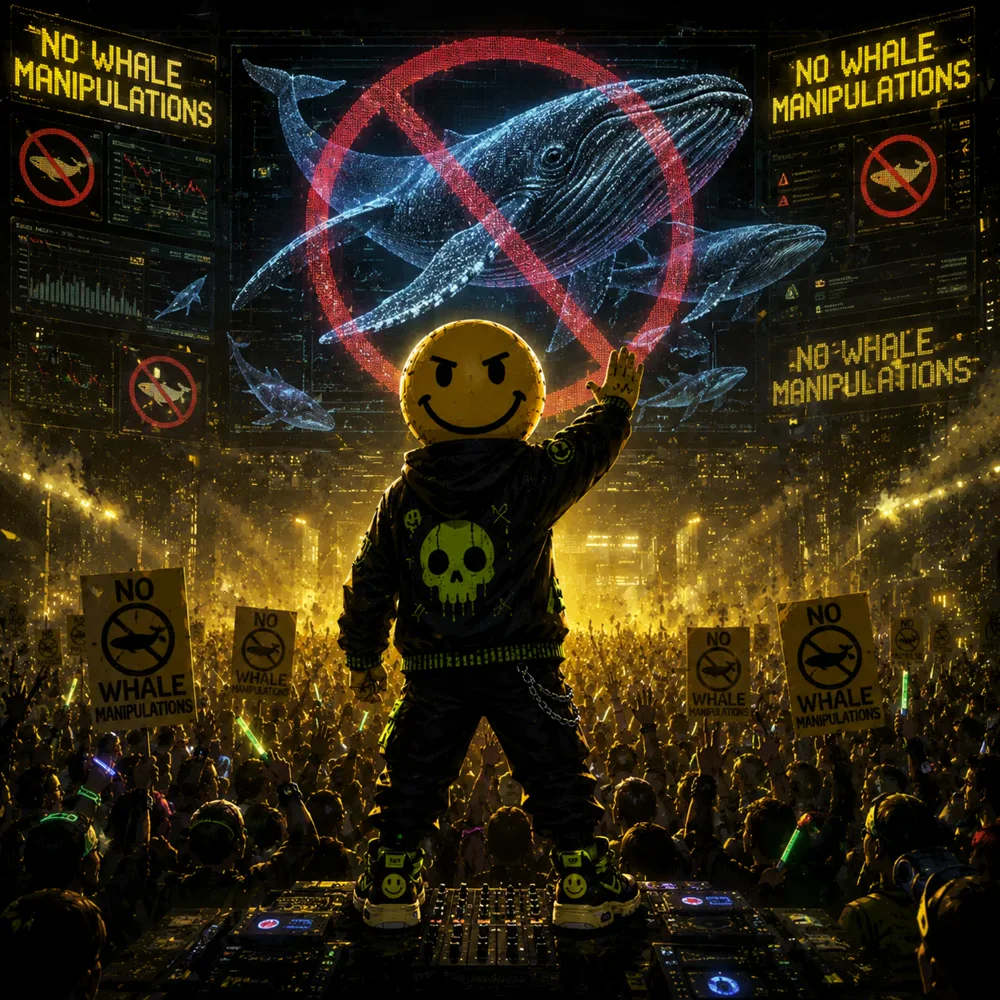
Our community is on the dancefloor, not in proposal threads. We are not here to worship price action or beg for validation through a number.
Virtual Rave is part of the subculture first, and the technology exists to serve the culture.
Virtual Rave is a distributed network connecting real-world rave culture through on-chain infrastructure.
The Roland TB-303 launched in 1981 as a bass machine for guitar players. It failed commercially.
Used units later appeared cheaply across Chicago record stores and pawn shops, where producers started pushing the machine beyond its intended purpose.
Chicago and Detroit transformed discarded hardware into acid house, techno, and entirely new nightlife movements that reshaped music culture worldwide.
Rave culture spread through pirate radio, underground flyers, mixtapes, illegal warehouses, clubs, and word-of-mouth networks long before social media existed.
The Second Summer of Love connected acid house, underground dance music, fashion, graphics, and nightlife into a worldwide cultural movement.
Virtual Rave maps seven legendary machines across seven different chains.
The culture matters more than platform tribalism.
People can remix it, print it, wear it, organize with it, build on top of it, start labels, create artist projects, launch brands, host events, or simply collect and enjoy it.
RPS-01, the Rave Public Standard, defines how the network archives culture, connects scenes, names events, and keeps participation open.
The Decentralized Rave Federation expands that system into real nightlife communities, local organizers, livestreams, archives, and interconnected cities worldwide.
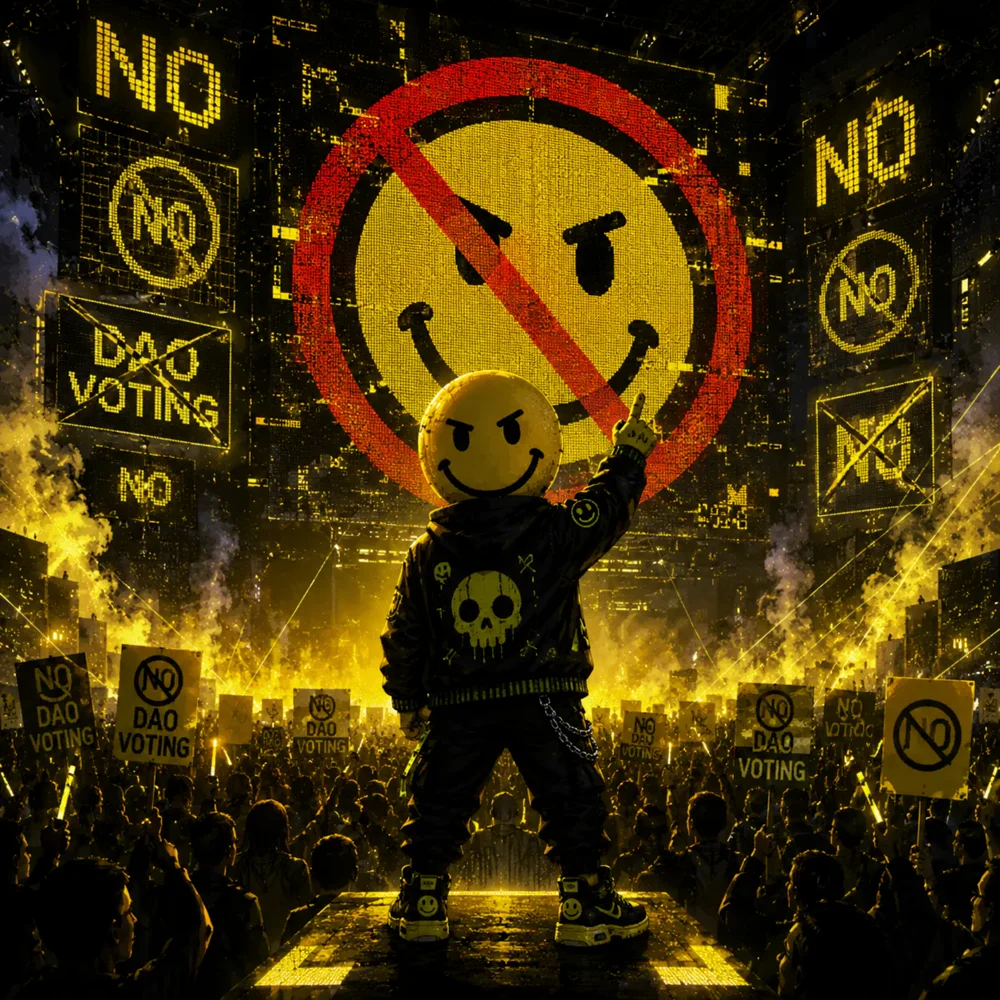
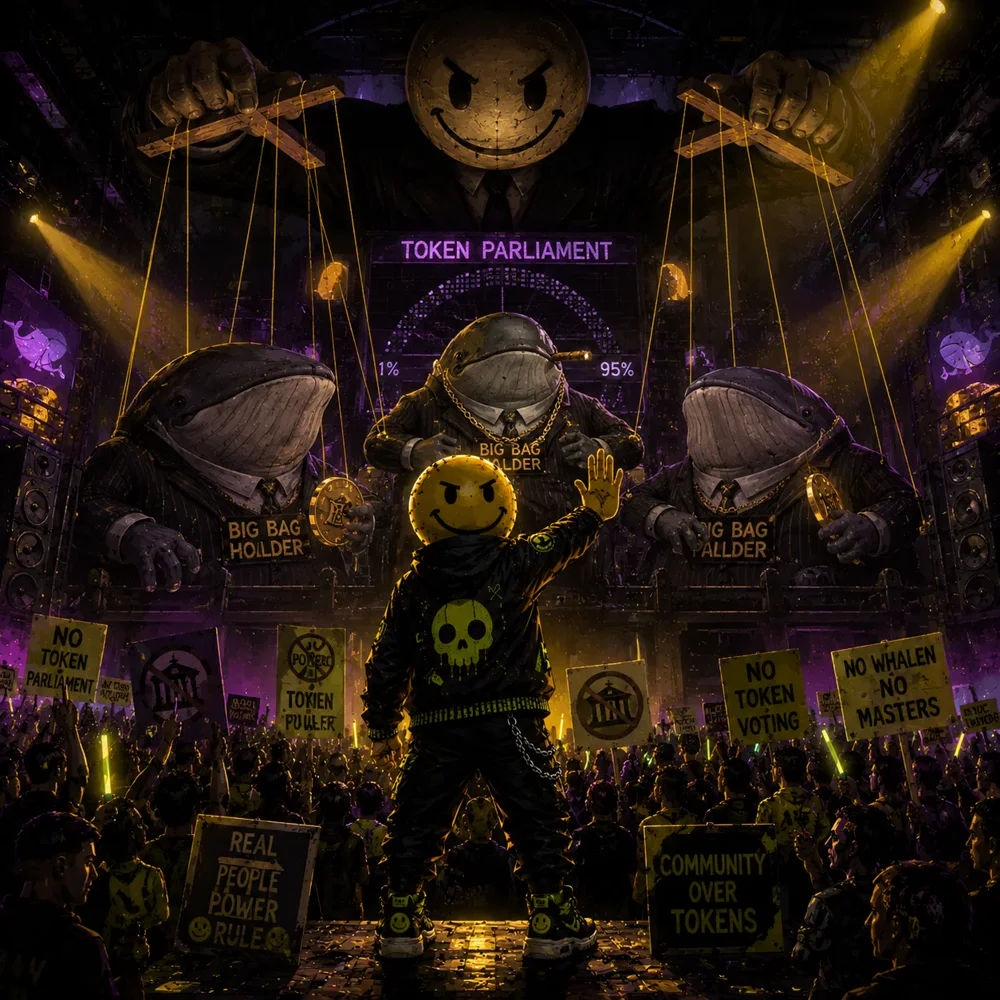
Virtual Rave is not a governance club.
Communities grow through participation, events, archives, and local scenes. Not governance theater.
Virtual Rave supports local communities, independent organizers, live events, and global connections between cities.
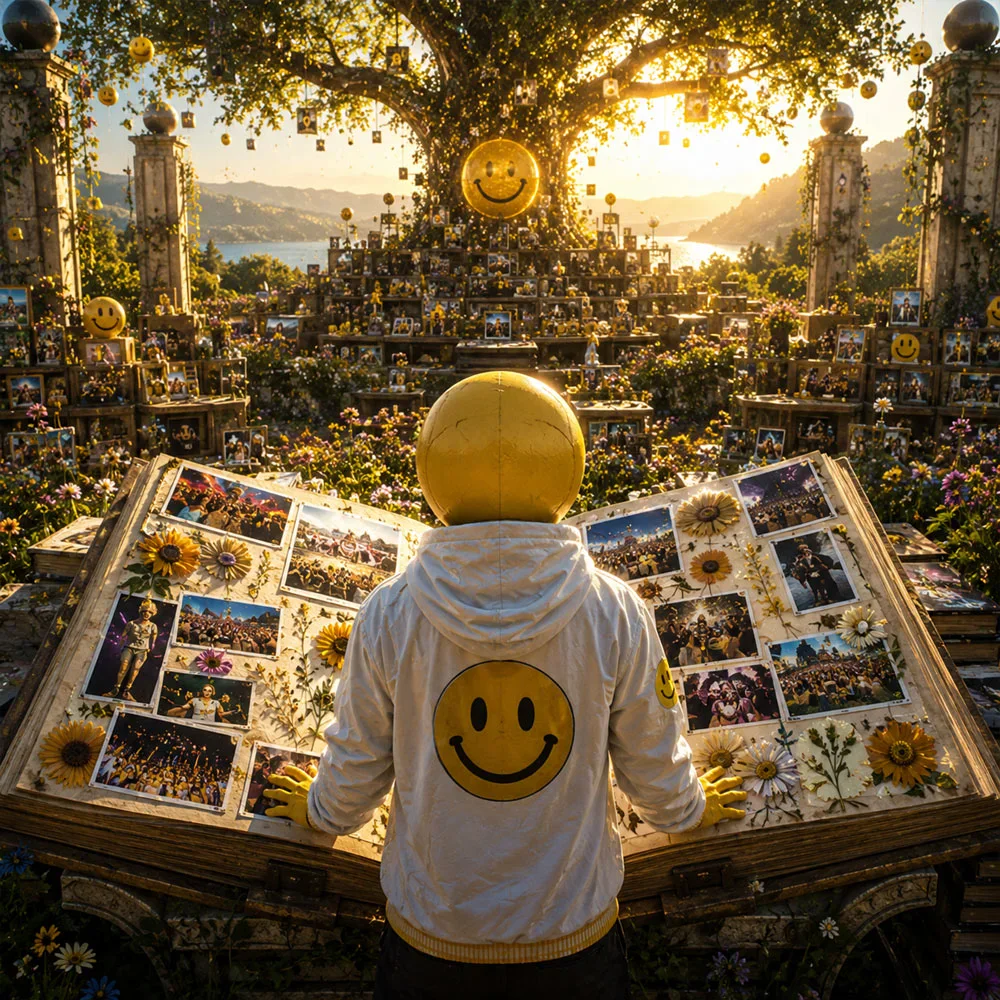
Virtual Rave preserves the culture through recordings, livestreams, flyers, photos, lineups, and city archives.